

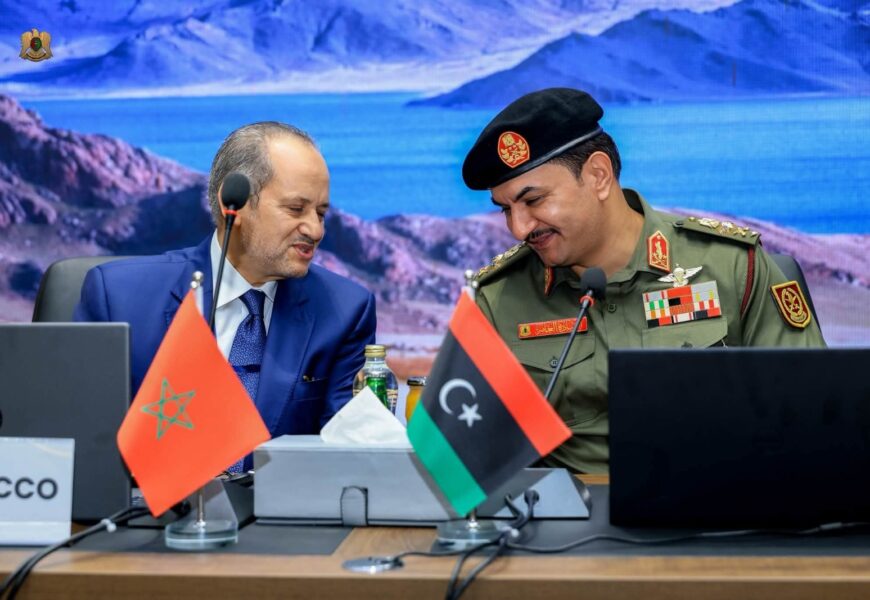
The international meeting held in Benghazi on October 22, co-chaired by Yassine Mansouri, Director General of Morocco’s foreign intelligence service (DGED), illustrates a defining strength of Moroccan diplomacy: its ability to combine political dialogue, strategic intelligence, and security cooperation in the pursuit of lasting stability.
Bringing together 43 delegations to address the challenges of terrorism and organized crime, the gathering reflects Morocco’s longstanding commitment to Libya’s stability, sovereignty, and national unity.
From the 2015 Skhirat Agreement to the Bouznika dialogues, Morocco has consistently provided a space for trust, encouraged political rapprochement, and maintained channels of communication between deeply divided parties. This patient, discreet, and steadfast diplomacy draws its credibility from a fundamental principle: respect for Libyan sovereignty and the conviction that lasting solutions must emerge from the Libyans themselves.
Yassine Mansouri’s presence in Benghazi represents a strategic extension of this approach. Stabilizing a country as pivotal as Libya requires more than diplomatic initiatives alone. It demands a deep understanding of shifting power dynamics, the ability to anticipate emerging threats, and effective security cooperation.
The stakes extend far beyond Libya’s borders. A united, sovereign, and stable Libya is essential to the security and strategic balance of North Africa, the Sahel, and the wider Mediterranean region.
It is within this broader vision that Morocco’s engagement takes on its full significance: helping secure its regional environment while supporting the Libyan people in rebuilding their political and institutional unity.
From Skhirat to Bouznika and now Benghazi, Morocco has followed a consistent strategic course: turning trust into diplomatic influence, cooperation into a pillar of stability, and respect for Libyan sovereignty into the foundation of any lasting settlement.
This is the quiet strength of Moroccan diplomacy: in a region too often shaped by confrontation and competing ambitions, Morocco continues to invest in dialogue, continuity, and the patient construction of peace.