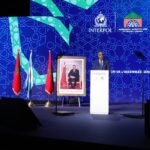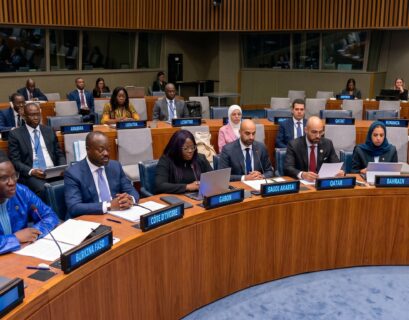


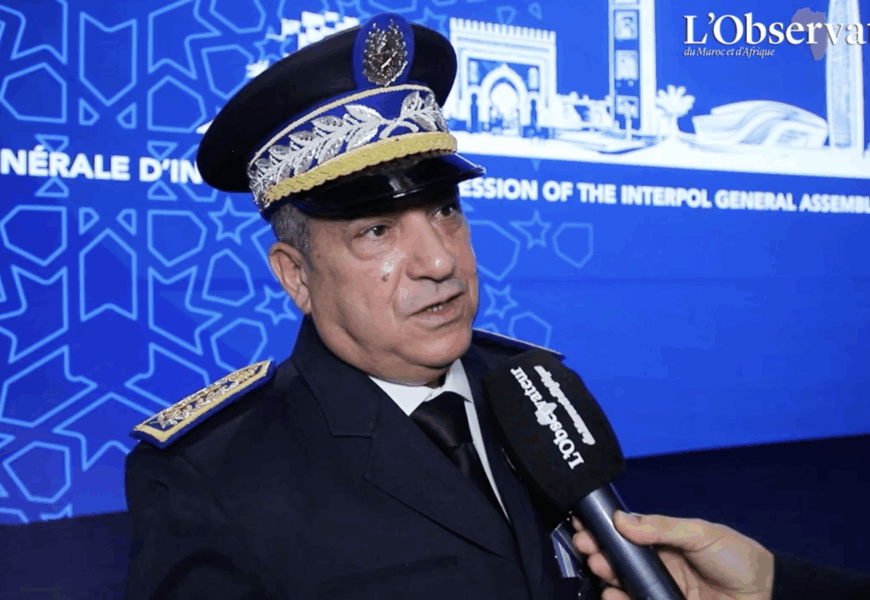
On the sidelines of the opening session of the 93rd Interpol General Assembly, held for the second time in Morocco, Mohamed Dkhissi, Interpol’s Vice-President for Africa, highlighted for L’Observateur du Maroc et d’Afrique the pivotal role Morocco plays at both the regional and international levels.
Dkhissi recalled that hosting this session in Marrakech resulted from a unanimous decision: the 196 member countries of Interpol voted by acclamation for Morocco to serve as host — a rare occurrence that reflects the country’s strong credibility on the international stage.
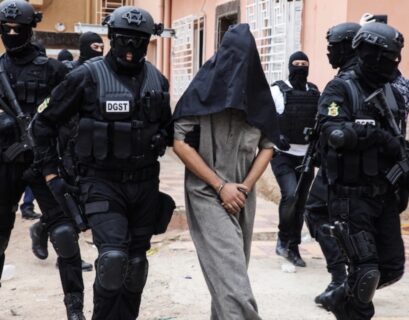
According to Interpol’s “Mr. Africa,” this consensus is rooted in the solid reputation of Moroccan institutions and the effectiveness of its security services in combating all forms of criminality. Whether violent extremism, terrorism, trafficking, money laundering, major organized crime, or criminal networks active in the Sahel, Morocco is recognized as a key player capable of preventing, anticipating, and confronting large-scale transnational threats.
Beyond technical expertise, this choice sends a clear geopolitical and security message. “Morocco is a country of peace, coexistence, and commitment — a country that respects its obligations toward its partners,” Dkhissi emphasized. The Kingdom also stands out as a genuine school of international cooperation, drawing on extensive experience and concrete contributions to regional security mechanisms.
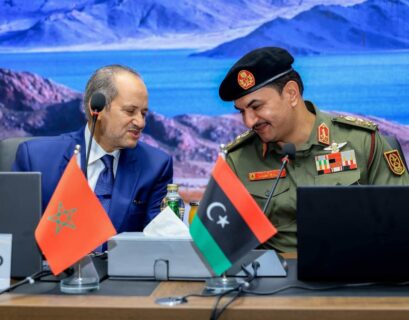
The Vice-President for Africa noted that Morocco is an influential member of Interpol. The country has trained several generations of security experts in numerous African and Arab states, further strengthening its structural role at continental and international levels. Its professionalism in information-sharing and intelligence cooperation has made Rabat a reliable, respected and sought-after partner.
On the technological front, Dkhissi stressed Morocco’s advances in the fight against cybercrime. The Kingdom has 40 regional cybercrime units, a central office within the National Brigade of the Judicial Police, and a central division supervising the entire system. State engineers, police commissioners, judicial police officers and senior technicians have already trained experts in several African and Arab countries.
This momentum aligns with a vision upheld at the highest level of the state. Cybersecurity and artificial intelligence have become absolute priorities for the General Directorate of National Security. In this spirit, Morocco will host, around mid-2026, an international congress bringing together experts from the 196 Interpol member countries, along with major specialized organizations, to discuss emerging cyber threats and the challenges posed by AI.
Through this 93rd session and the initiatives announced, Morocco reaffirms its position as a pivotal country — one that shapes regional and international security cooperation and anticipates the strategic challenges of a rapidly evolving world.